General Iron and the Southeast Side

Campaign Overview
A metal shredder pushed out of a wealthy North Side neighborhood was set to reopen in a Black and Latino community. Residents stopped it, and forced the city to admit its permitting had concentrated pollution by race.
Status: Won, with ongoing accountability work
Led by: People for Community Recovery and Southeast Environmental Task Force, supported by CEJN
Scope: Southeast Side, with citywide implications
The Problem
A metal shredding operation ran for decades in Lincoln Park, a wealthy and largely white North Side neighborhood. When that neighborhood pushed it out, the company sought a permit to reopen on the Southeast Side, in a community that is predominantly Black and Latino and that already held some of the highest pollution burdens in Chicago.
The logic was familiar to anyone in these neighborhoods. Industry that becomes unacceptable in one part of the city gets moved to another part, and the second neighborhood is expected to absorb it quietly.
What Residents Did
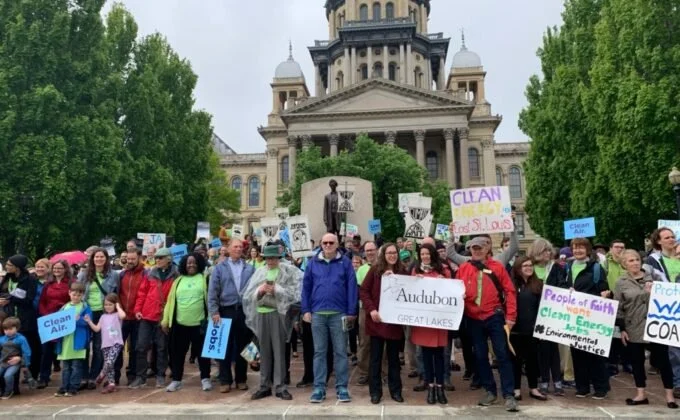
They organized, testified, filed complaints, and did not stop. A federal civil rights investigation found that the city's own practices had concentrated polluting uses by race. The City of Chicago entered into an agreement acknowledging as much. The permit did not go through.
That acknowledgment is the ground the cumulative impacts campaign is built on. It moved the argument from something residents had to prove to something the city had conceded.
Health & Resilience Programs