
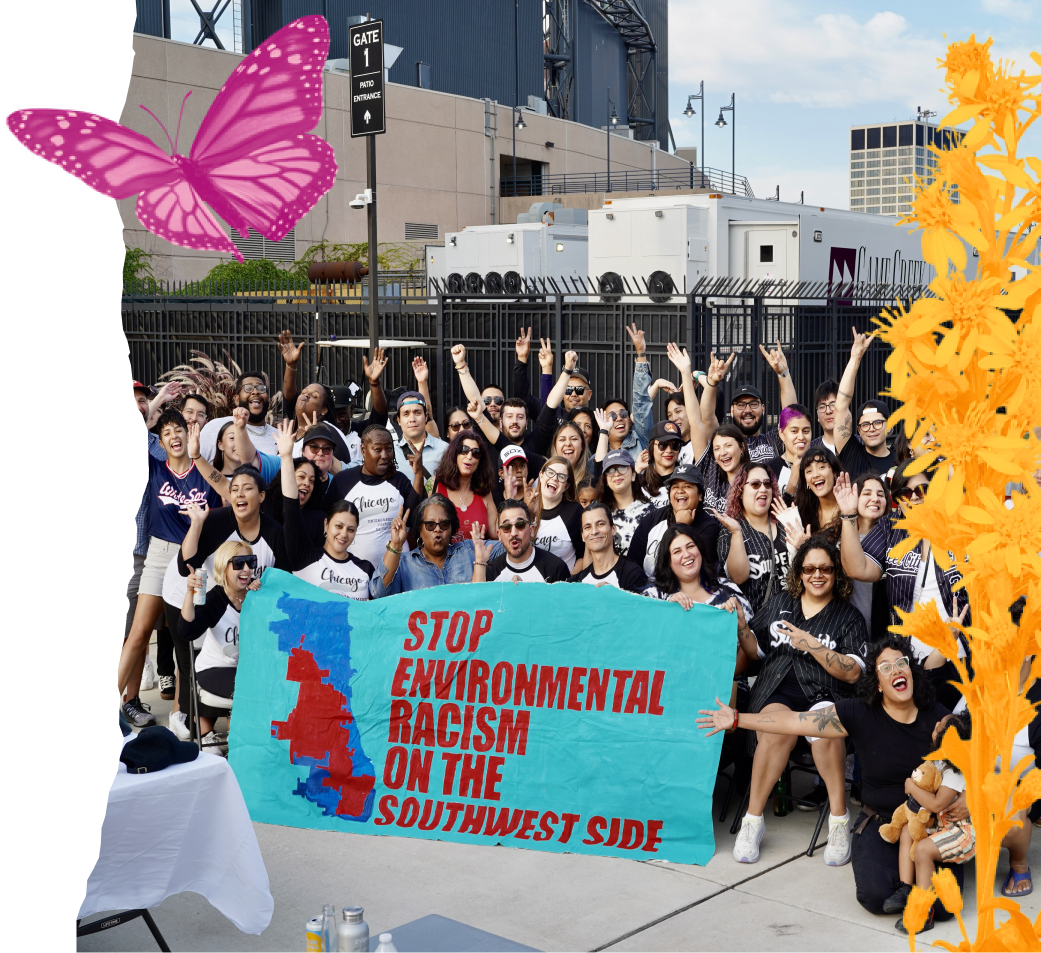
Environmental Justice By and For Frontline Communities
The Chicago Environmental Justice Network (CEJN) is a coalition of grassroots organizations cultivating environmental justice on Chicago's South and West Sides.
We exist to make sure the people carrying Chicago's heaviest pollution burden are the ones organizing and making a difference.
Our Mission
The Chicago Environmental Justice Network is a network of allied environmental justice organizations working to change systems and build power through transformative campaigns, policy advocacy, and community-based education.
It is also a collaborative hub for environmental justice organizations to develop and share movement strategies, resources, and experiences.

Our Vision
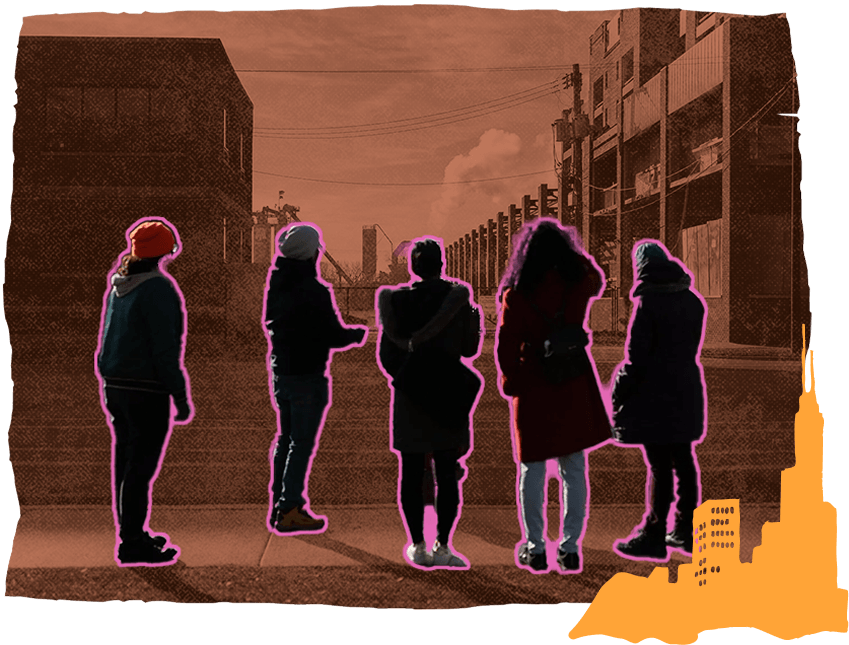
CEJN envisions a Chicago where frontline communities cultivate power to transform their own neighborhoods, so that every resident can enjoy clean air, clean water, and a healthy, sustainable, and resilient environment in which to live, play, work, learn, grow, and thrive

What is Environmental Justice?
Environmental justice means every person has a real say in the decisions that shape the air they breathe, the water they drink, and the ground their children play on. It means no neighborhood absorbs the harm so that another one can avoid it.
That holds regardless of income, race, color, national origin, Tribal affiliation, disability, documentation status, gender, or occupation.
Our working definition splits into two parts:

Full Protection From Disproportionate Harm
Protection from health and environmental harm, including harm driven by climate change, by burdens that stack up on the same neighborhoods over time, and by the legacy of racism and other structural barriers.

Equitable Access to a Resilient Environment
The ability to live, play, work, learn, grow, worship, and carry on cultural and subsistence practices in an environment that is healthy, sustainable, and resilient.
What We Believe
Power Belongs to the People Most Affected
The people who live next to corporate polluters already know what needs to change. We build campaigns that put them at the decision-making table to make a difference for their communities.
Communities Speak for Themselves
We do not speak on behalf of residents. We create platforms for people to tell their own stories, in their own words, and we quote them directly.
We Tell the Truth Plainly
We back what we say with data and lived experience. We explain complex policy in plain language, and we name what is wrong without softening it.
We Are Stronger Together Than Apart
Our member organizations share resources, strategies, and relationships across neighborhood lines.
We Live Where We Organize
We are rooted in our neighborhoods and communities. Our credibility comes from being residents, neighbors, and parents in the communities we fight for.
Members

People for Community Recovery (PCR)
PCR organizes in Altgeld Gardens, on the far Southeast Side, where residents live surrounded by landfills, sewage treatment, and industry. Founded in 1979 by Hazel Johnson, PCR builds its staff, board, and membership from public housing residents and frontline neighbors, because the people closest to the harm should be the ones setting the agenda.

Little Village Environmental Justice Organization (LVEJO)
LVEJO organizes in Little Village for the self-determination of immigrant, low-income, and working-class families. Their work has reshaped what the neighborhood breathes, from shutting down a coal plant to fighting for open space and clean transit.

Blacks in Greens (BIG)
BIG works to close the racial health and wealth gap through the green economy, building walkable, self-sustaining Black neighborhoods where residents own the assets. Their model treats economic justice and environmental justice as the same project.
Neighbors for Environmental Justice (N4EJ)
N4EJ organizes on the belief that low-income residents and residents of color understand the root causes of their own conditions and have the power to change them. They also do the research the city will not: their 2023 report reviewed two decades of Chicago's environmental enforcement records.
Bring Your Organization Into the Network
Membership is for grassroots, community-based organizations working in the Chicago region. If your group is organizing on environmental justice in your neighborhood and you want the strength of a network behind you, we want to hear from you.
Residents looking to get involved: start with Take Action.

Neighborhoods Where We Work
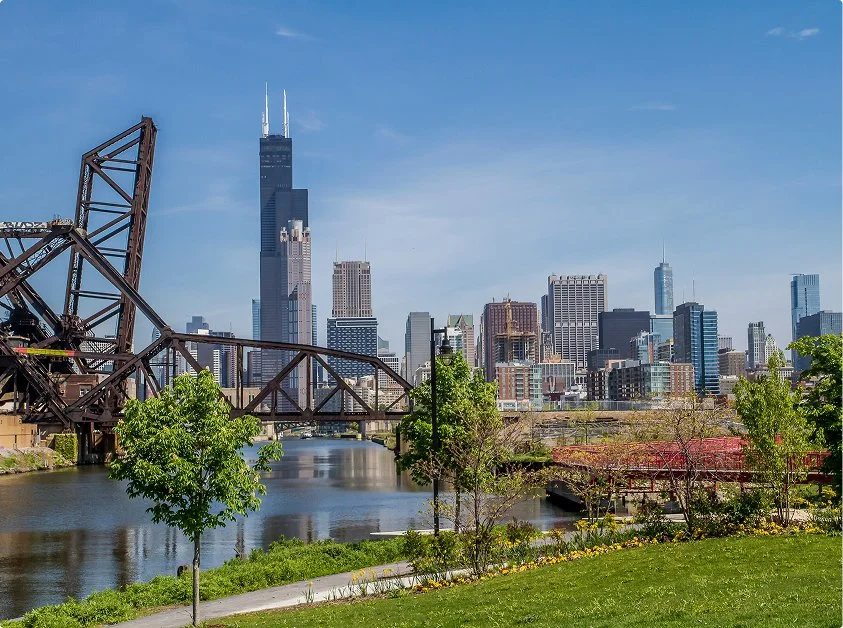
Little Village
Known as the Mexico of the Midwest, Little Village is a center of Mexican culture, business, and family life in Chicago. It also has the second worst air quality in the eight-county Chicago region, shaped by decades of industry and by the Crawford coal plant that ran in the neighborhood until residents shut it down.
Pilsen
Pilsen is a hub of Mexican art, music, and food, with murals and galleries that draw visitors from across the city. It also sits inside an industrial corridor, where truck and bus traffic drives up air pollution and lead and heavy metals have turned up in the soil where children play.
Southeast Side Chicago
The Southeast Side includes Roseland, Pullman, South Deering, Altgeld Gardens, and South Chicago. It has absorbed a century of heavy industry, and its community areas rank in the bottom half of all Chicago neighborhoods for life expectancy, cardiac and respiratory disease, and self-rated health.

Our Team
CEJN is coordinated by a small staff and governed by a Leadership Team drawn from our member organizations. The work belongs to the network.
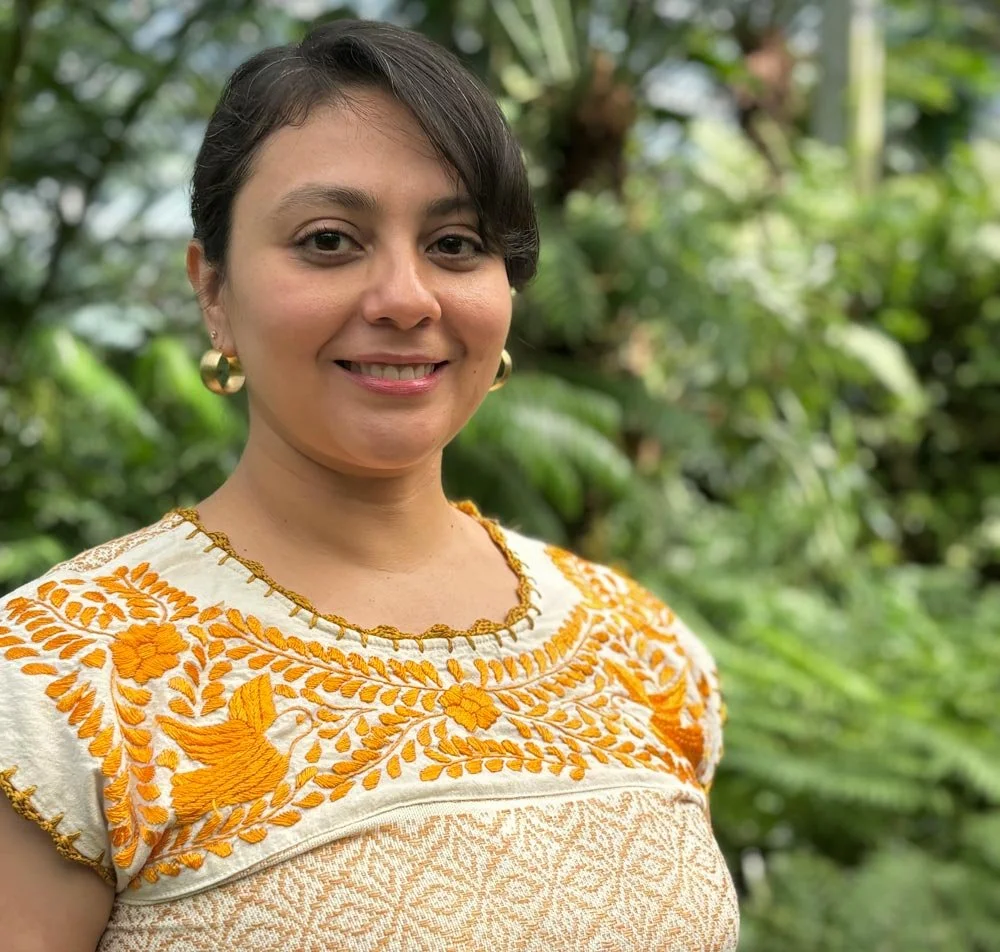
Myrna Salgado
Network Manager, Chicago Environmental Justice Network
Myrna leads CEJN's campaigns and policy work, manages communications and fundraising, and keeps member organizations coordinated across city and state efforts. She co-founded Neighbors for Environmental Justice with her neighbors before joining CEJN.
-
Myrna Salgado leads CEJN's environmental justice campaigns and policy initiatives. She oversees communications and public relations, manages fundraising and network building, and supports staff development. She also organizes meetings and events, builds out organizational structure, and keeps participation and communication strong across the network's city and state work.
Myrna spent over 15 years in educational administration, where she helped form a union at one of the schools she worked in to support teachers. Her path into environmental justice began when she and her neighbors founded Neighbors for Environmental Justice and she started advocating for communities living with pollution.
Born and raised in Chicago, Myrna is the eldest of eight, the daughter of immigrant parents, and a proud mother and wife. She finds joy in time with her family and in the community work that keeps her neighborhood moving forward.
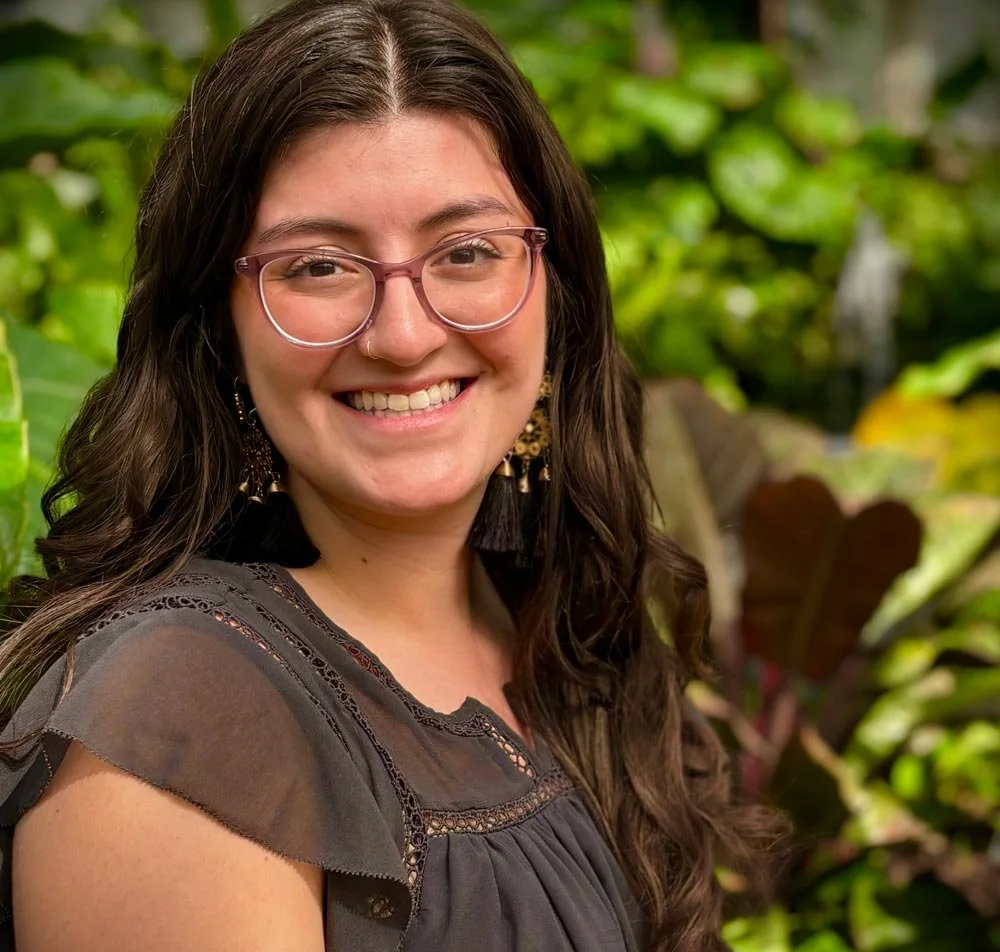
Mariah Moreno Mata
Policy Fellow, Chicago Environmental Justice Network
Mariah tracks CEJN's campaigns and policy processes, evaluates climate and energy equity legislation, and brings what she learns back to member organizations. A southwest side native, she came to CEJN from the Greater Chicago Legal Clinic's environmental department.
-
Mariah Moreno Mata tracks CEJN's campaigns and policy processes, supports ongoing programs, and builds partnerships across the network. She evaluates climate and energy equity policy, collaborates on campaigns, and shares what she learns back with member organizations to advance shared goals.
Before joining CEJN, Mariah worked as a law clerk in the environmental department of the Greater Chicago Legal Clinic, first during law school and then for over a year after graduating.
A Chicago native, Mariah was born and raised on the southwest side and still lives there. Her advocacy is personal: it lets her support the communities that shaped her, including Little Village and Pilsen. She is also a yoga instructor at CorePower and often teaches at community events. Her mornings start with Mexican hot chocolate and a shot of espresso.
Our Leadership Team
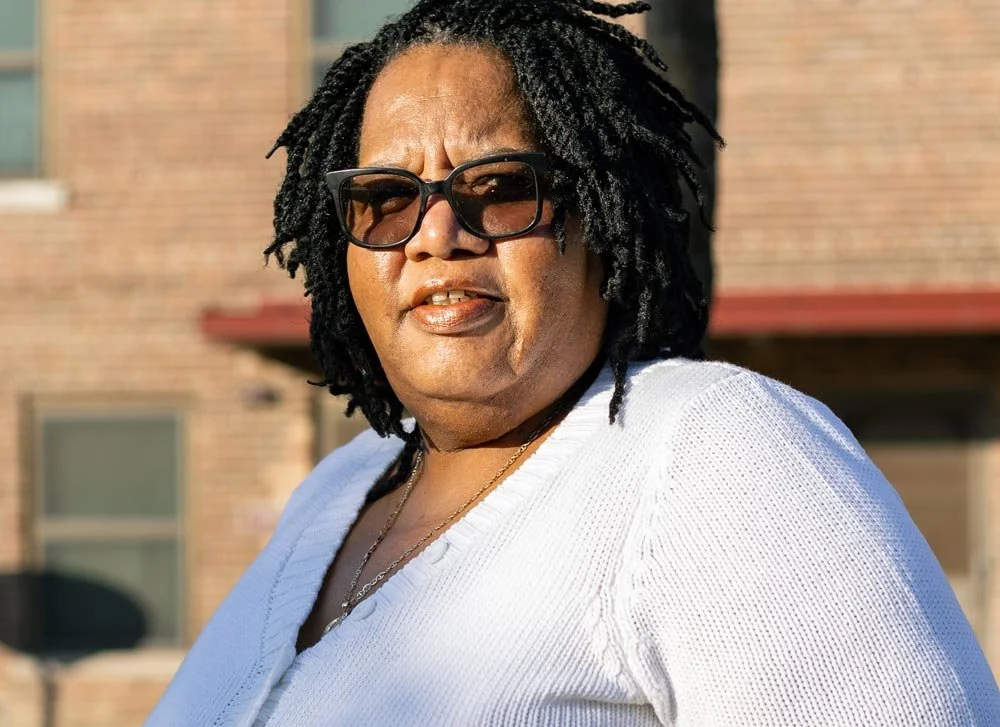
Cheryl Johnson
Executive Director, People for Community Recovery
Cheryl has led People for Community Recovery since 2001, carrying on the work of her mother Hazel Johnson, the mother of the environmental justice movement. A lifelong Altgeld Gardens resident, she has stopped demolitions, landfills, and displacement on the Far South Side.
-
Cheryl Johnson has led People for Community Recovery as Executive Director since 2001, advocating for the safety of Altgeld Gardens residents. She is the daughter of the late Hazel Johnson, credited as the mother of the environmental justice movement, who founded PCR.
Altgeld Gardens, a historic public housing community on Chicago's Far South Side, was built next to polluting industry. Residents there face higher rates of disease and death tied to the environment around them. By fighting for the preservation of Altgeld Gardens and a healthy environment for the people who live there, Cheryl is redefining what preservation means in the context of environmental justice.
Cheryl learned community organizing from her mother and carries forward PCR's mission to improve life for residents in communities affected by pollution. A lifelong Altgeld Gardens resident, she is a deeply trusted community leader. Under her leadership, PCR has stopped the demolition of hundreds of Altgeld Gardens housing units, halted the demolition of two historic Chicago public schools named to Landmarks Illinois' 2021 Most Endangered Historic Places list, pressured the Chicago Housing Authority to include community input in its redevelopment plans, blocked construction of a nearby landfill, and secured safe cleanup of nearby toxic sites.
Cheryl has presented on and co-written journal articles on environmental health and risk. She serves on the Environmental Protection Agency's National Environmental Justice Advisory Council and the Illinois Environmental Justice Commission, and is a certified trainer with the International Chemical Workers Union Health and Safety Council and the Coalition of Black Trade Unionists.
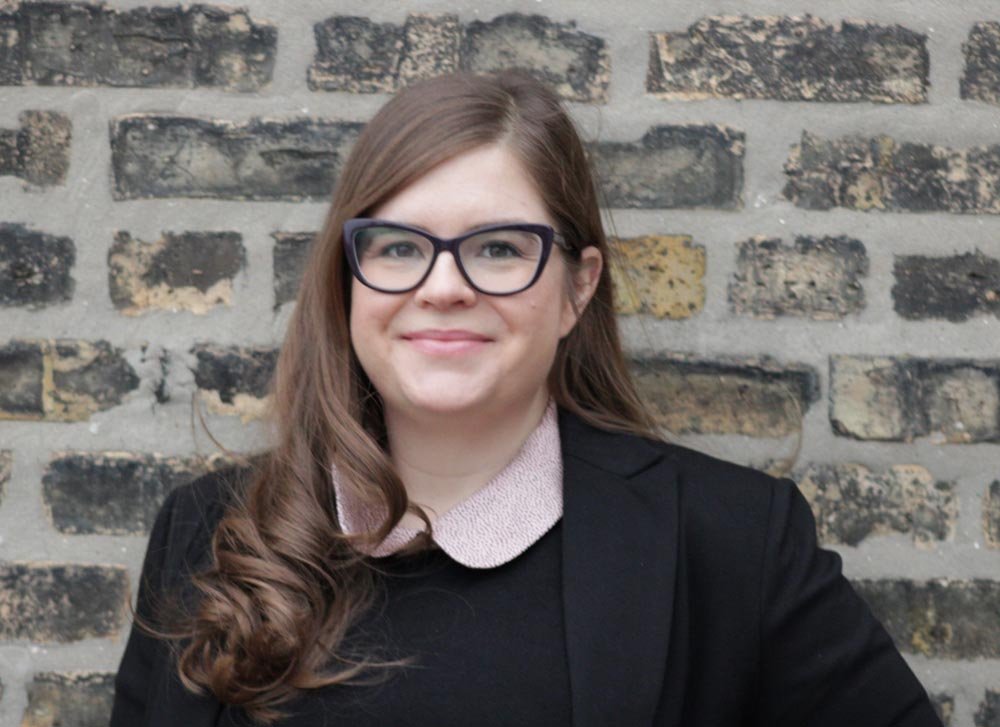
Courtney Hanson
Deputy Director, People for Community Recovery
Courtney runs day to day operations at People for Community Recovery and sets campaign strategy across solar workforce development, clean energy policy, and neighborhood health programs. A social worker by training, she connects organizing to the collective trauma of environmental injustice.
-
Courtney Hanson supports day to day operations at People for Community Recovery, a community-based social and environmental justice organization. She provides campaign strategy and oversight for programs ranging from solar workforce development and clean energy policy to neighborhood health and economic development.
A social worker with a background in organizing for systems-level change, Courtney works at the intersection of climate and energy policy, community organizing, and mental health, supporting community-led efforts to address the collective trauma of environmental injustice. Before joining PCR, she spent ten years on clean energy, climate, and environmental justice work across the US South and Midwest.
Courtney earned bachelor's degrees in journalism and psychology from Loyola University Chicago and a master's in social service administration from the University of Chicago. Off the clock, she can be found reading, spending time outdoors, and traveling in her vintage camper van.
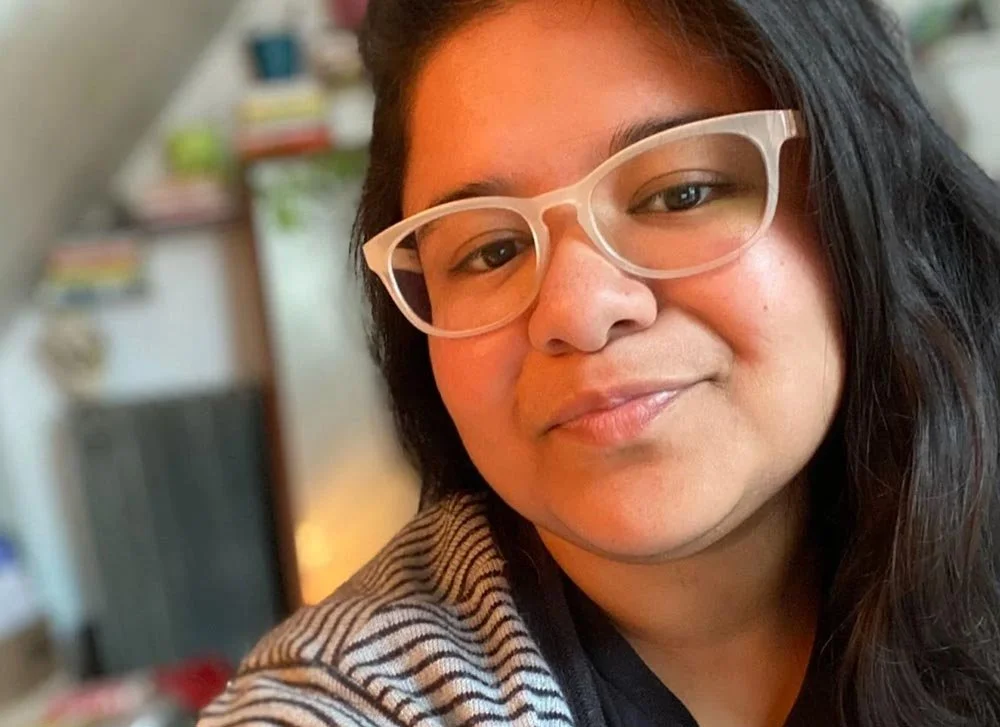
Edith Tovar
Senior Just Transition Organizer, Little Village Environmental Justice Organization
Edith organizes for a just transition at LVEJO, currently on the Hell No Hilco campaign against the Exchange 55 warehouse and with Juntos por La Villita to save the Discount Mall. She is a lifelong La Villita resident.
-
Edith Tovar is the Senior Just Transition Organizer at the Little Village Environmental Justice Organization and a lifelong resident of La Villita. A first generation college student and the youngest of four, she holds a bachelor's in Spanish and Economics with a minor in Political Science, and a master's in Urban Planning and Policy from UIC's College of Urban Planning and Public Affairs, with a concentration in environmental planning and policy.
Edith supports the Hell No Hilco campaign, which addresses environmental, labor, and public health concerns around the Exchange 55 warehouse. She is also part of Juntos por La Villita, the coalition leading the fight to save the Discount Mall on 26th Street.
Her work extends regionally. Edith organizes with the Illinois Green New Deal to push elected officials to hold the line, and supports the Climate Justice Alliance in forming a Midwest chapter to lift up environmental justice campaigns across the Great Lakes.
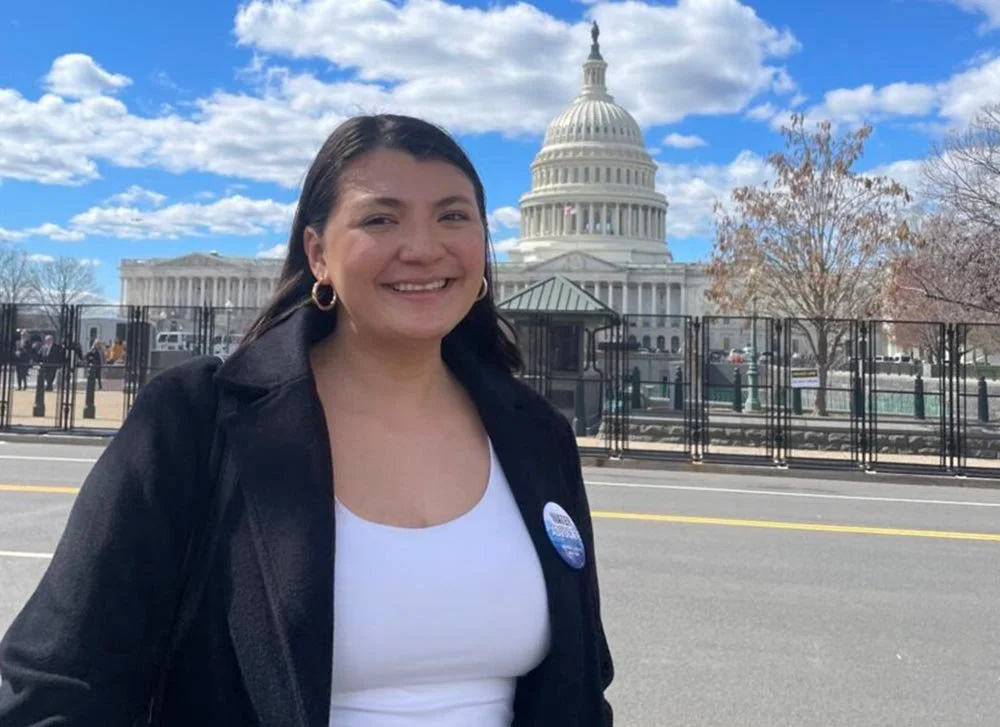
Brenda Santoyo
Water Justice Program Manager, Little Village Environmental Justice Organization
Brenda leads LVEJO's Water Justice Program, advocating for clean water and healthy living conditions in Chicago communities that have gone without both. Her work shapes policy and practice on environmental justice and sustainability.
-
Brenda Santoyo advocates for clean water and healthy living conditions in Chicago communities that have long gone without both. Her leadership of LVEJO's Water Justice Program has shaped policy and practice on environmental justice and sustainability.
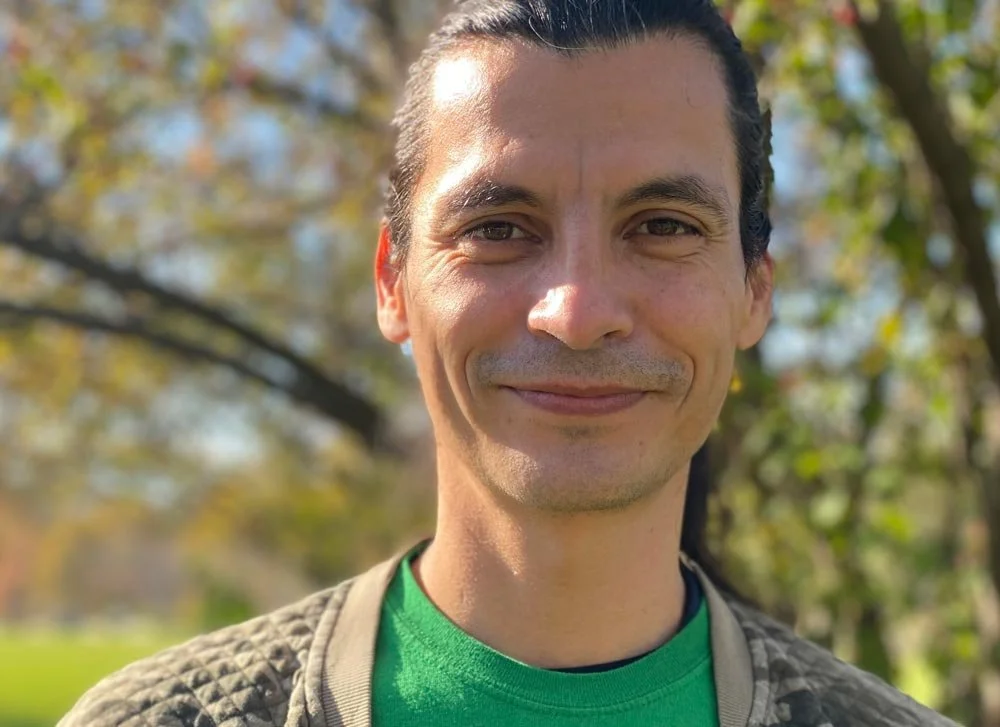
Alfredo Romo
Executive Director, Neighbors for Environmental Justice
Alfredo co-founded Neighbors for Environmental Justice in 2018 after MAT Asphalt opened across from McKinley Park, and leads the organization's work on cumulative impacts at the city and state level. He is a cancer survivor and lifelong southwest side resident.
-
Alfredo Romo is a co-founding member and the Executive Director of Neighbors for Environmental Justice. A cancer survivor, community organizer, and longtime resident of Chicago's southwest side, he has spent years fighting for clean air, clean water, and an environment free of pollution for frontline communities.
N4EJ formed in 2018 in response to MAT Asphalt, a hot-mix asphalt plant that opened in McKinley Park directly across from the neighborhood's park district land. The team organizes against that disruption through research and data collection, community mobilization, and advocacy for stronger oversight and enforcement against MAT and the cumulative impacts of heavy industry. Alfredo connects the lived experience of frontline communities to the conditions that produced it: environmental racism, corruption at every level of government, and a widespread political belief that industry matters more than the health of marginalized people.
Through N4EJ, Alfredo works on city-level environmental justice issues as part of the Chicago Environmental Justice Network, and on state and policy issues alongside organizations across Illinois and the surrounding region. In the years since N4EJ began, he has shown up for campaigns including the Cumulative Impacts Assessment with the Chicago Department of Public Health, the Illinois Environmental Justice Act (House Bill 2520), the response to the Hilco implosion in Little Village that led to the Office of Inspector General report exposing the city's environmental negligence, and the General Iron fight on the Southeast Side that produced the federal HUD letter of noncompliance against the city.
Alfredo believes no person should have to face environmental health hazards, no matter where they live.
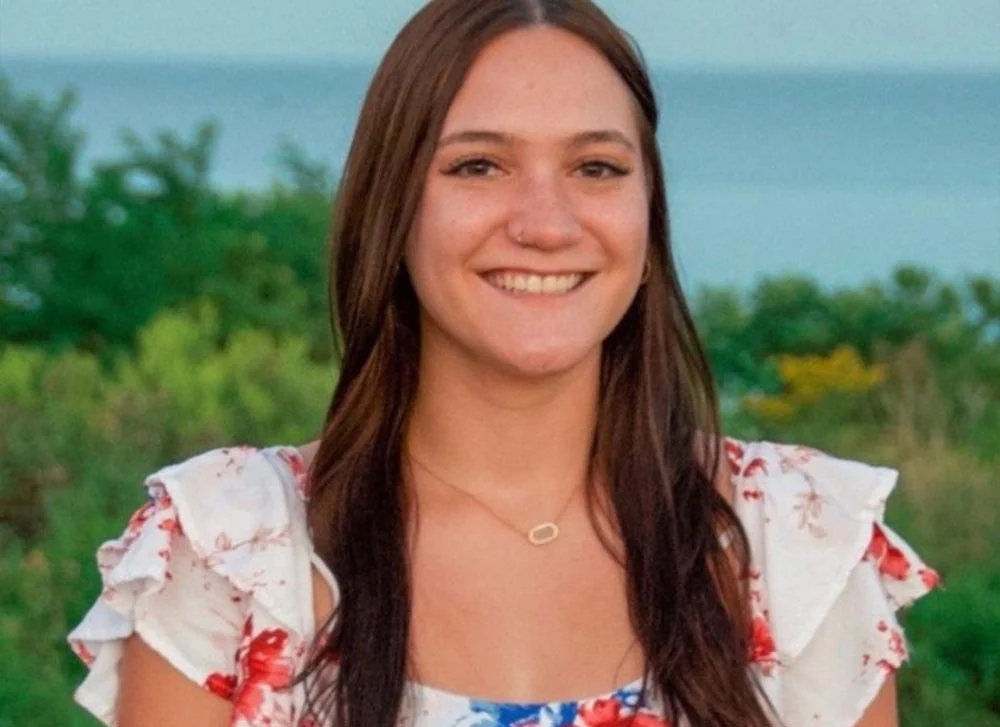
Madalyn Benavides
Policy Project Manager, Neighbors for Environmental Justice
Madalynn manages policy projects at Neighbors for Environmental Justice, working on cumulative impacts at the neighborhood, city, and state level since 2023. A longtime Chicago resident, she is a graduate of UIC's College of Urban Planning and Public Affairs.
-
Madalynn Benavides is the Policy Project Manager at Neighbors for Environmental Justice. A longtime Chicago resident and a graduate of UIC's College of Urban Planning and Public Affairs, she has worked on cumulative impacts issues at the neighborhood, city, and state level since joining N4EJ in April 2023.
Our History & Milestones
Our members were organizing long before CEJN existed. People for Community Recovery started in Altgeld Gardens in 1979, when Hazel Johnson began asking why so many of her neighbors were sick. Southeast Environmental Task Force formed in 1989. Little Village Environmental Justice Organization in 1994.
Our achieved milestones are a collection of decades of organizing and fighting for environmental justice.
-
![Silhouette of a city skyline with a flower, a bee, and a butterfly over an aerial view of a city.]()
2011 | CEJN Founded
Chicago shut down its Department of Environment, several of our member organizations decided that if the city was going to stop holding corporate polluters accountable, they would have to build the capacity to bring environmental justice to our neighborhoods and communities.
-
![A group of people holding signs and banners protesting environmental issues, with industrial factories in the background.]()
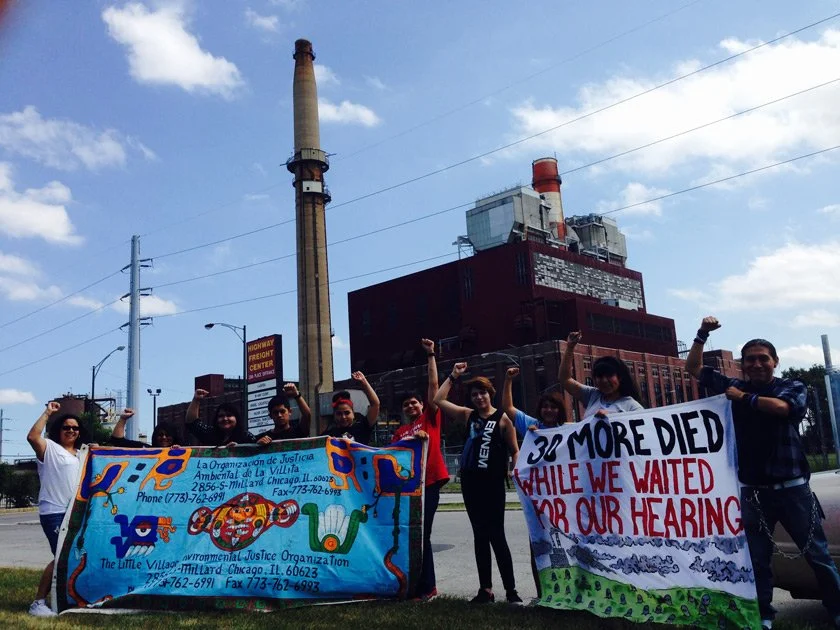
2012 | Two Coal Plants Shut Down
After years of organizing by Little Village Environmental Justice Organization and neighbors in Pilsen, the Crawford and Fisk coal plants stopped burning.
-
![City skyline with a flower, butterfly, and roots logo]()
2015 | Petcoke Banned From the Riverfront
Uncovered piles of petroleum coke sat along the Calumet River, blowing black dust into homes and schoolyards. Residents organized, the city acted, and by 2016 the piles were gone.
-
![A woman with curly hair and glasses holding a camera stabilizer in an indoor setting, with a colorful wall and photos in the background.]()
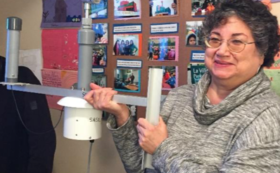
2017 | Residents Started Measuring Their Own Air
Little Village Environmental Justice Organization, Southeast Environmental Task Force, and People for Community Recovery launched Shared Air/Shared Action, putting air monitors in residents' hands instead of waiting for an agency to collect the data.
-
![Cityscape aerial view with a logo overlay of a flower, butterfly, and city skyline]()
2018 | The State Had to Start Telling Us
Neighbors for Environmental Justice found that Illinois was issuing air permits without notifying the communities affected. They got notification written into state law rather than left to agency discretion.
-
![Group of people protesting outdoors in front of a government building, holding signs about clean air, energy, and the environment.]()
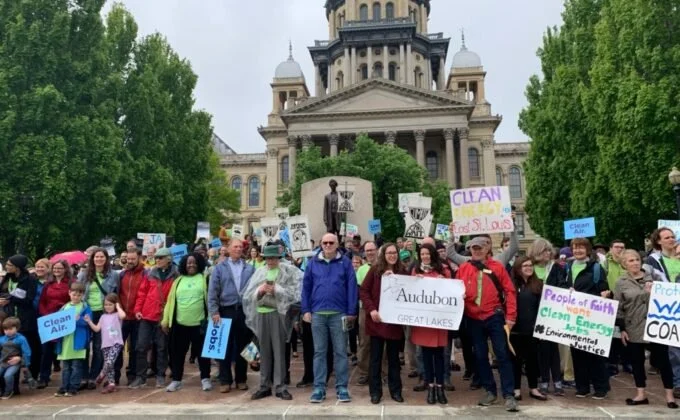
2021 | Illinois Passed the Climate and Equitable Jobs Act
CEJN member organizations helped win a state law putting Illinois on a path to carbon-free power, with commitments to the communities and workers carrying the heaviest burden.
-
![A group of people protesting at a building entrance, many holding signs that say "General Iron Permit" with a red "DENIED" stamp. Some individuals are wearing masks and winter clothing.]()
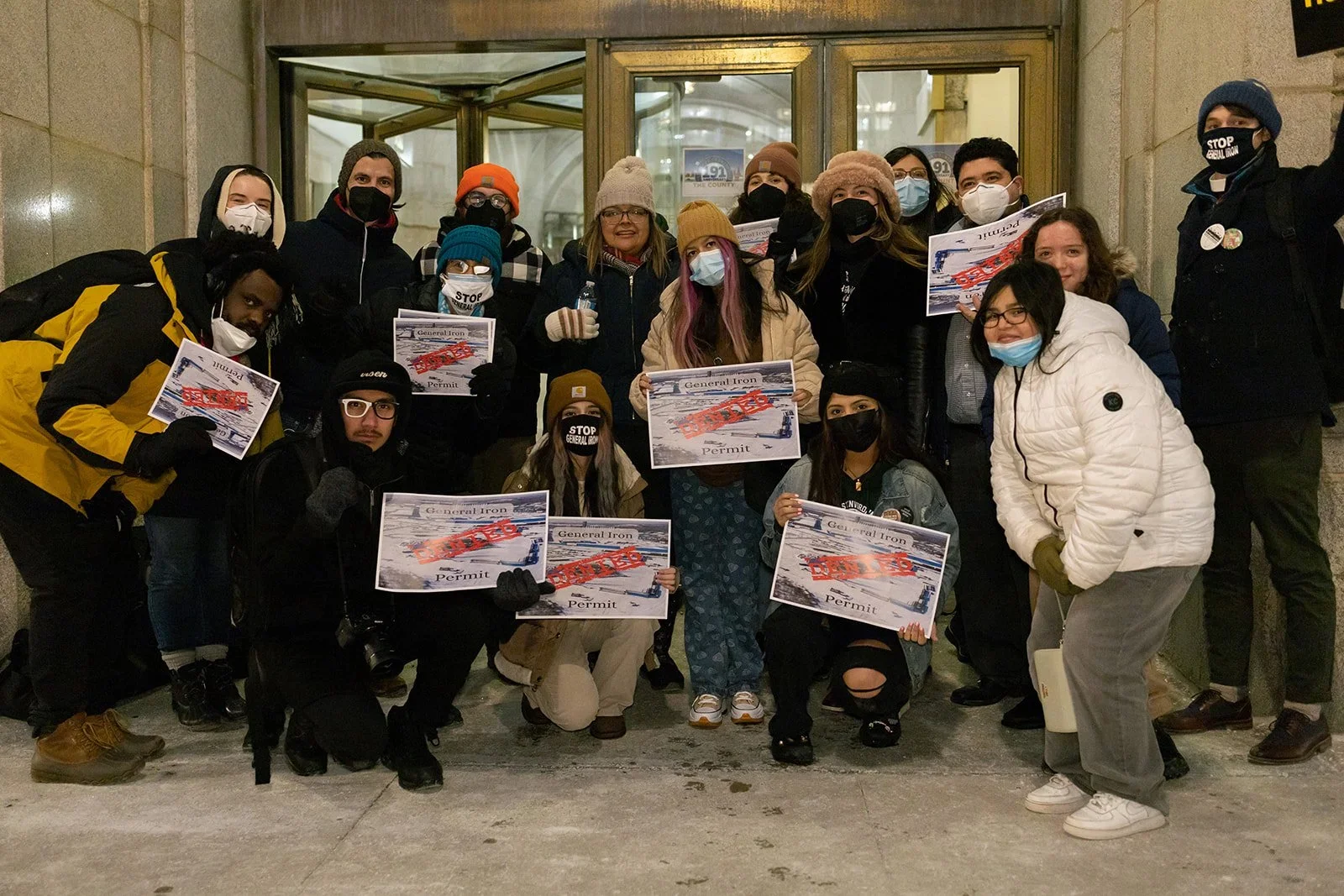
2022 | General Iron Permit Denied
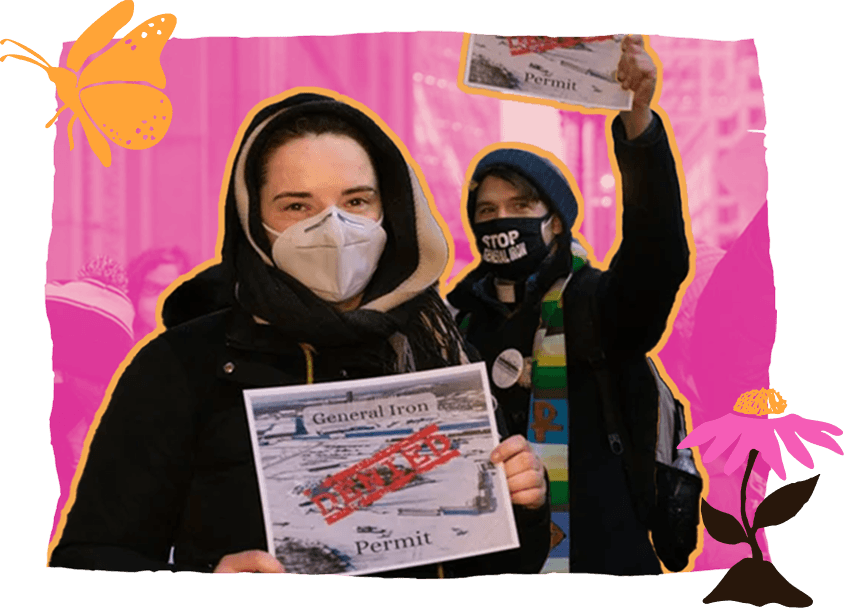
The city denied a permit to a metal shredding operation that wanted to relocate from Lincoln Park to the Southeast Side. Southeast Environmental Task Force and its neighbors fought it with a hunger strike and a federal civil rights complaint.
-
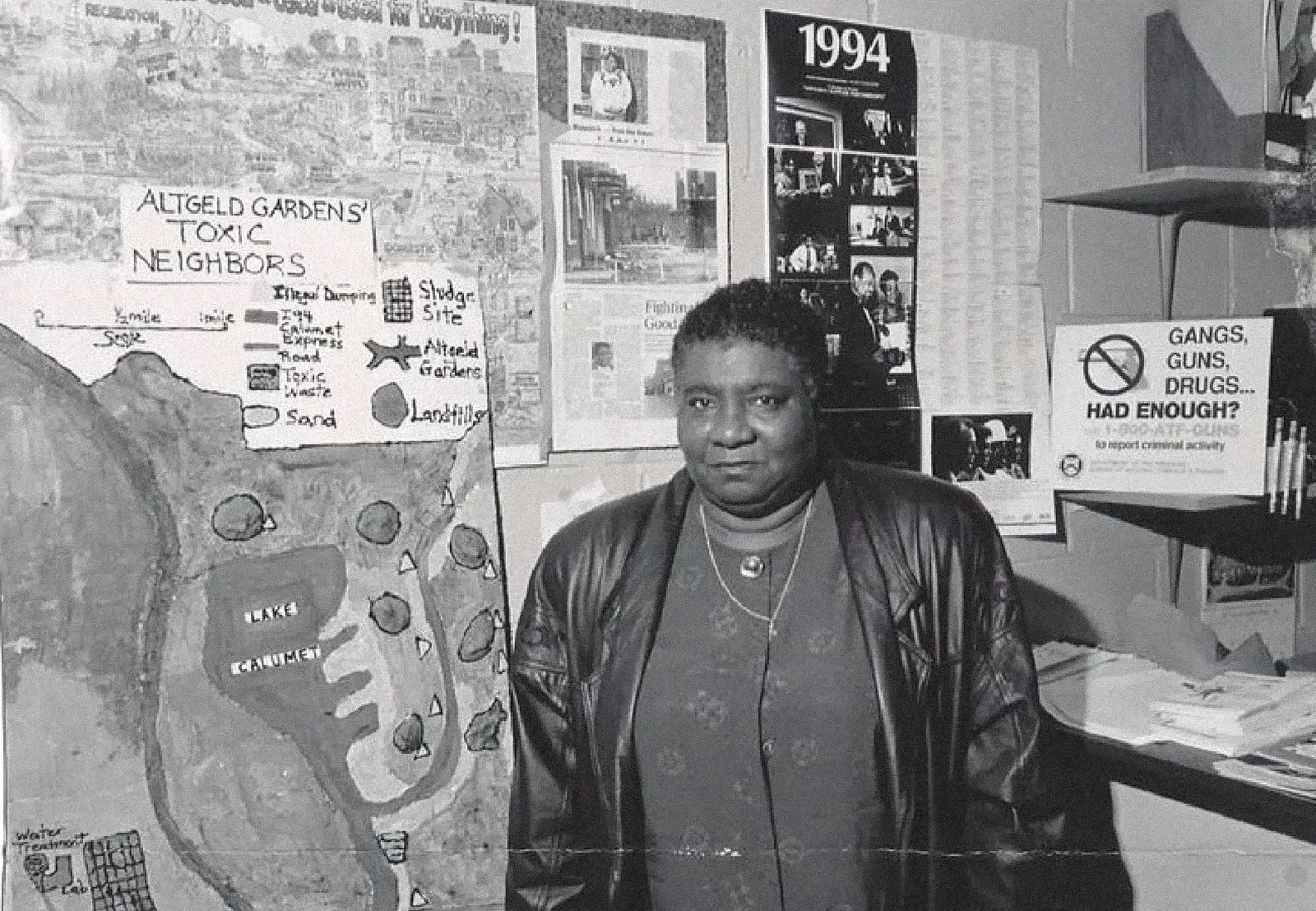
![A woman with short curly hair wearing a leather jacket and multiple necklaces standing in front of a wall with posters, maps, and signs about local issues. To her right, there's a sign with the text 'Gangs, Guns, Drugs... Had Enough?' and a map of Altgeld Gardens neighborhood.]()
2022 | Altgeld Gardens Named to the National Register
People for Community Recovery won historic listing for Altgeld Gardens, the public housing community where Hazel Johnson started the fight that became the environmental justice movement.
-
![Silhouette of a city skyline with a flower, bee, and butterfly above it, all overlaid on an aerial view of a city.]()
2023 | Chicago Held to Account for Environmental Racism
Federal housing officials found the city's handling of the General Iron relocation discriminated against Black and Latino residents. The agreement that followed required Chicago to produce an environmental justice action plan and change how it plans and zones industry.
-
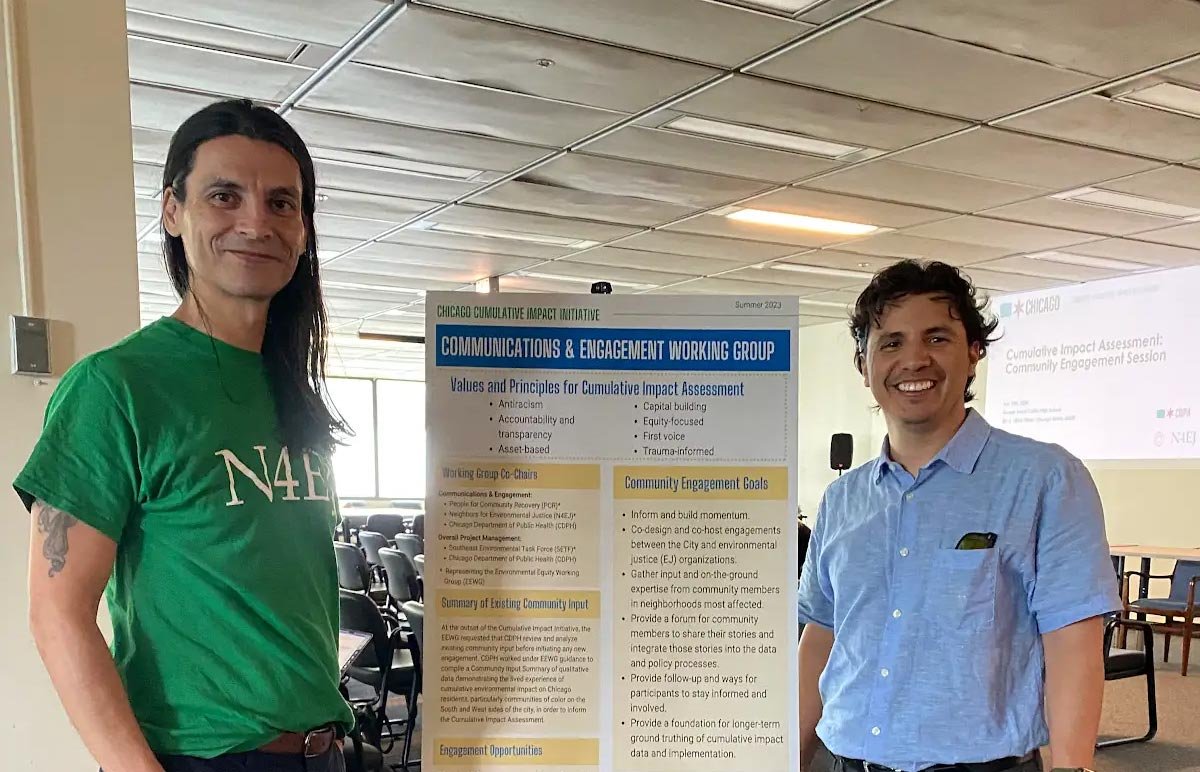
![Two men standing indoors near an informational poster about a community engagement working group. One man is wearing a green t-shirt and the other a blue button-up shirt, both smiling at the camera.]()
2023 | Chicago Measured Cumulative Impact for the First Time
Four of our five member organizations worked with the city on its first Cumulative Impact Assessment, establishing officially what residents have said for decades: the burdens stack up on the same neighborhoods.
-
![Logo featuring a flower, city skyline, a butterfly, and tree roots over a cityscape background.]()
2026 | Illinois Passed Environmental Justice Permitting
CEJN won passage of a state bill changing how environmental permits are decided in Illinois, so communities get information and standing before a decision, not after.