Who we are.
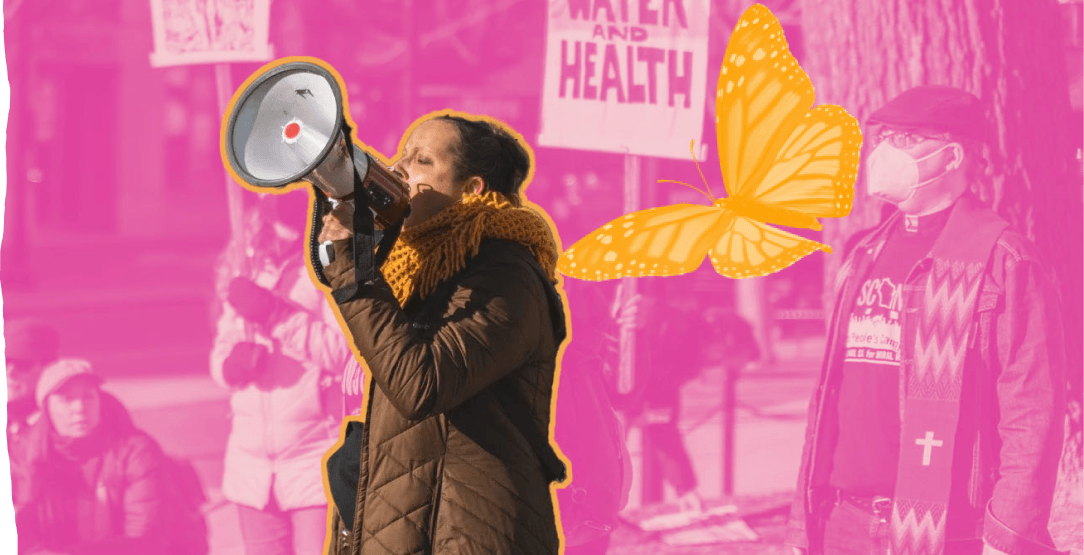
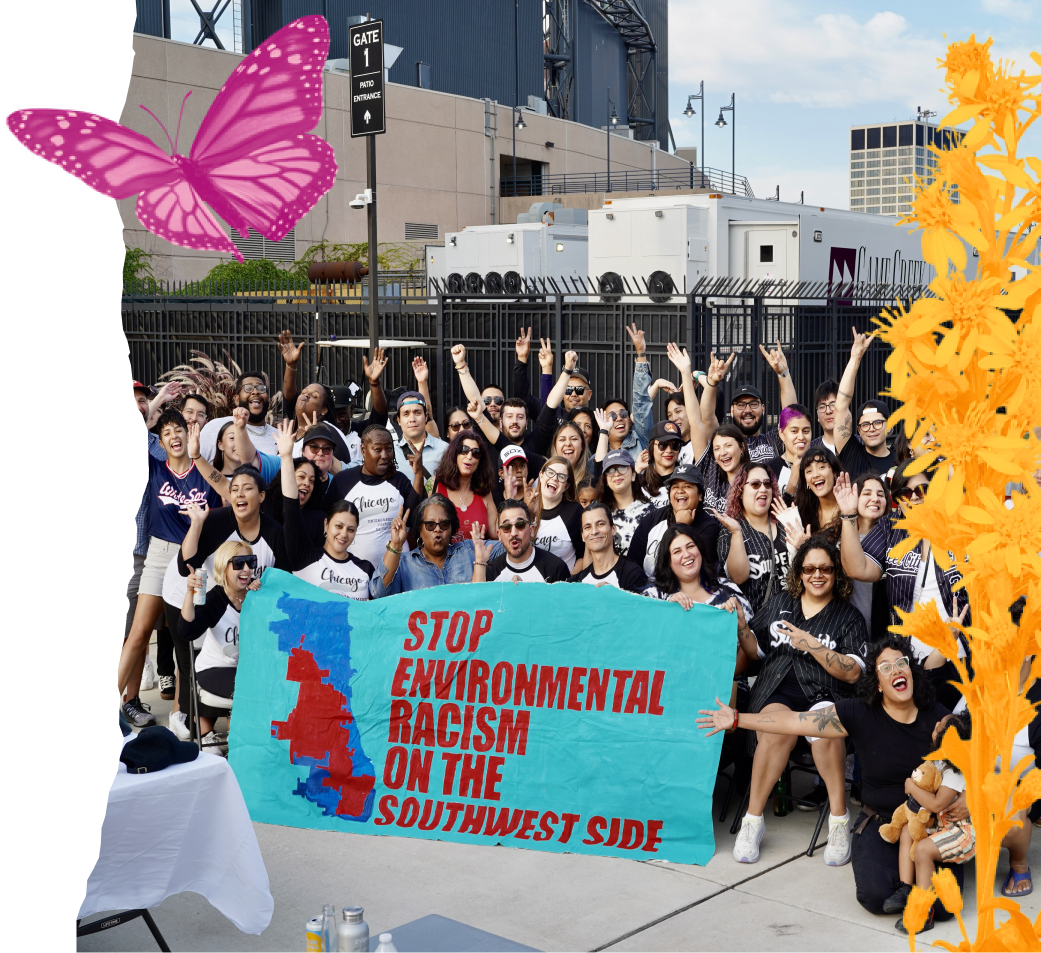
The Chicago Environmental Justice Network (CEJN) is led by frontline, community-based organizations located on the south and west sides of Chicago.
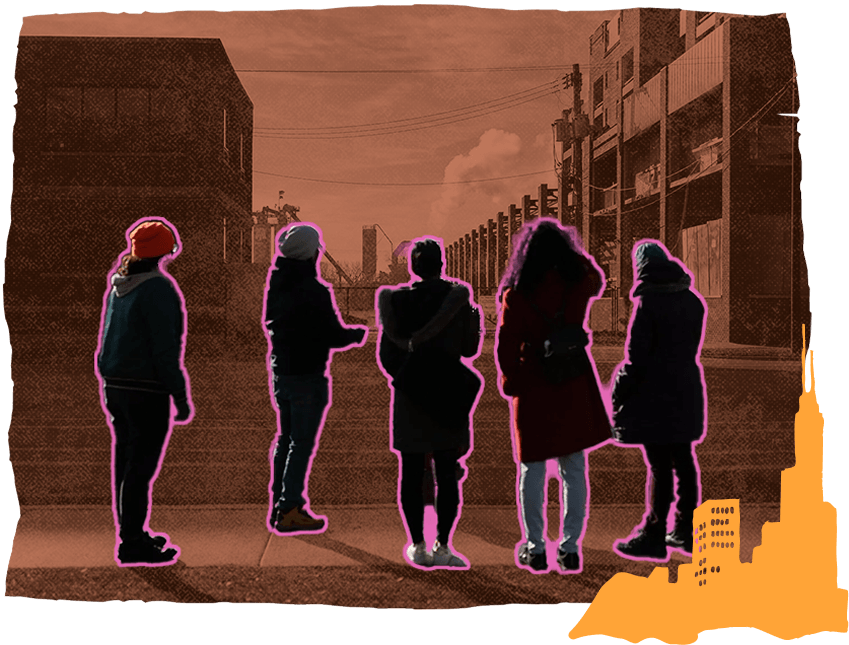
Led mostly by women of color, these organizations serve communities that face severe environmental and health disparities due to the close proximity of residential areas near sources of pollution.
Our Mission
The Chicago Environmental Justice Network is a network of allied environmental justice organizations working to change systems and build power through transformative campaigns, policy advocacy, and community-based education.
It is also a collaborative hub for environmental justice organizations to develop and share movement strategies, resources, and experiences

What is Environmental Justice?
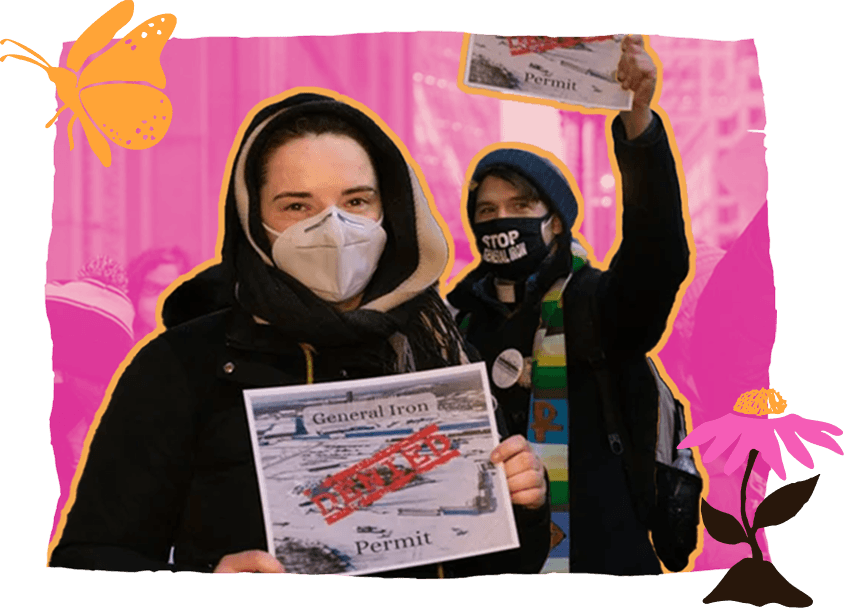
The just treatment and meaningful involvement of all people, regardless of income, race, gender base, color, national origin, Tribal affiliation, disability, documentation status, or occupation, in agency decision-making and other Federal activities that affect human health and the environment.
Our working definition splits into two parts:

Fully protected from disproportionate harm
Shielded from adverse human health and environmental effects — including risks tied to climate change, the cumulative impact of stacked burdens, and the legacy of structural or systemic racism.


Equitable access to a resilient environment
The ability to live, play, work, learn, grow, worship, and carry on cultural and subsistence practices within a healthy, sustainable, and resilient environment.

Our Members

People for Community Recovery(PCR)
PCR prioritizes residents of public housing and EJ communities in our staff, board and membership. Our grassroots model is community-led, and we value community leadership development, transparent decision making, and community-led campaigns

Little Village Environmental Justice Organization (LVEJO)
The mission of LVEJO is to organize with our community to accomplish environmental justice in Little Village and achieve the self-determination of immigrant, low-income, and working-class families.

Blacks in Greens (BIG)
BIG is a national network for environmental justice and economic development created to close America’s racial health/wealth gap via the new green economy using a whole-system solution for the whole-system problem common to Black communities everywhere.
Southeast Environmental Task Force (SETF)
The Southeast Environmental Task Force (SETF) was formed in 1989 by Marian Byrnes as a coalition of 30 grassroots organizations working together to oppose a garbage incinerator proposed for the former Wisconsin Steel site at 106th Street and Torrence Avenue.
Neighbors for Environmental Justice (N4EJ)
N4EJ is a community group of organizers that believes in grassroots change from the bottom up. Our work is centered upon the belief that when low income and people of color understand the root causes of their experiences of oppression, they have the power and agency to transform society.
Join the Coalition
The Chicago Environmental Justice Network (CEJN) is led by frontline, community-based organizations located on the south and west sides of Chicago. Led mostly by women of color, these organizations serve communities that face severe environmental and health disparities due to the close proximity of residential areas near sources of pollution.
Neighborhoods Where We Work
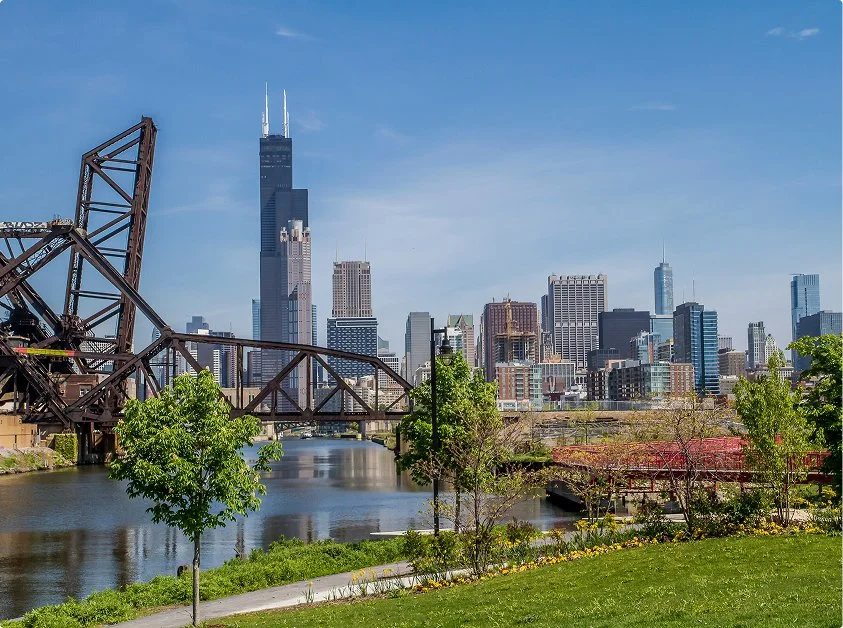
Little Village
Known as the ‘Mexico of the Midwest,’ this colorful enclave is overflowing with vibrant culture and cuisine.
Little Village is one of these communities exposed to the cumulative impacts of the greatest combined environmental, health, and social stressors. Little Village was found to have the second worst air quality in the 8 county region of Chicago. The environment and Little Village has been highly degraded for decades due to a coal power plant located in the area, among other metrics.
Pilsen
Rich in Latino culture, Pilsen is a neighborhood that overflows with music, art, culinary tradition, and nightlife.
Located in an industrial corridor, Pilsen faces high levels of air, soil and water pollution all exacerbated by daily emissions from cars, buses and trucks that insidiously infiltrate the vulnerable lungs of residents. In addition, lead and heavy metals have laced everyday life in Pilsen.
Southeast Side Chicago
Chicago’s SE side consists of Roseland, Pullman, South Deering, Altgeld Gardens and South Chicago. The region has continued to be a location for heavy industries, and has thus seen a number of high profile environmental justice fights over the last few years.
Southeast Side community areas rank in the bottom half of all Chicago’s community areas for life expectancy, cardiac and respiratory disease, and self-rated health, among other metrics.

Our Team

Name of Person
TITLE OF THE PERSON
With a vision for building something meaningful, our founder brings a blend of big-picture thinking and hands-on experience. They set the tone for everything we do.

Name of Person
TITLE OF THE PERSON
With a vision for building something meaningful, our founder brings a blend of big-picture thinking and hands-on experience. They set the tone for everything we do.
Our History & Milestones
-
![]()
Date
Description of the highlighted event/milestone.
-
![]()
Date
Description of the highlighted event/milestone.
-
![]()
Date
Description of the highlighted event/milestone.
-
![]()
Date
Description of the highlighted event/milestone.
-
![]()
Date
Description of the highlighted event/milestone.
-
![]()
Date
Description of the highlighted event/milestone.